

Story by Jill Payne
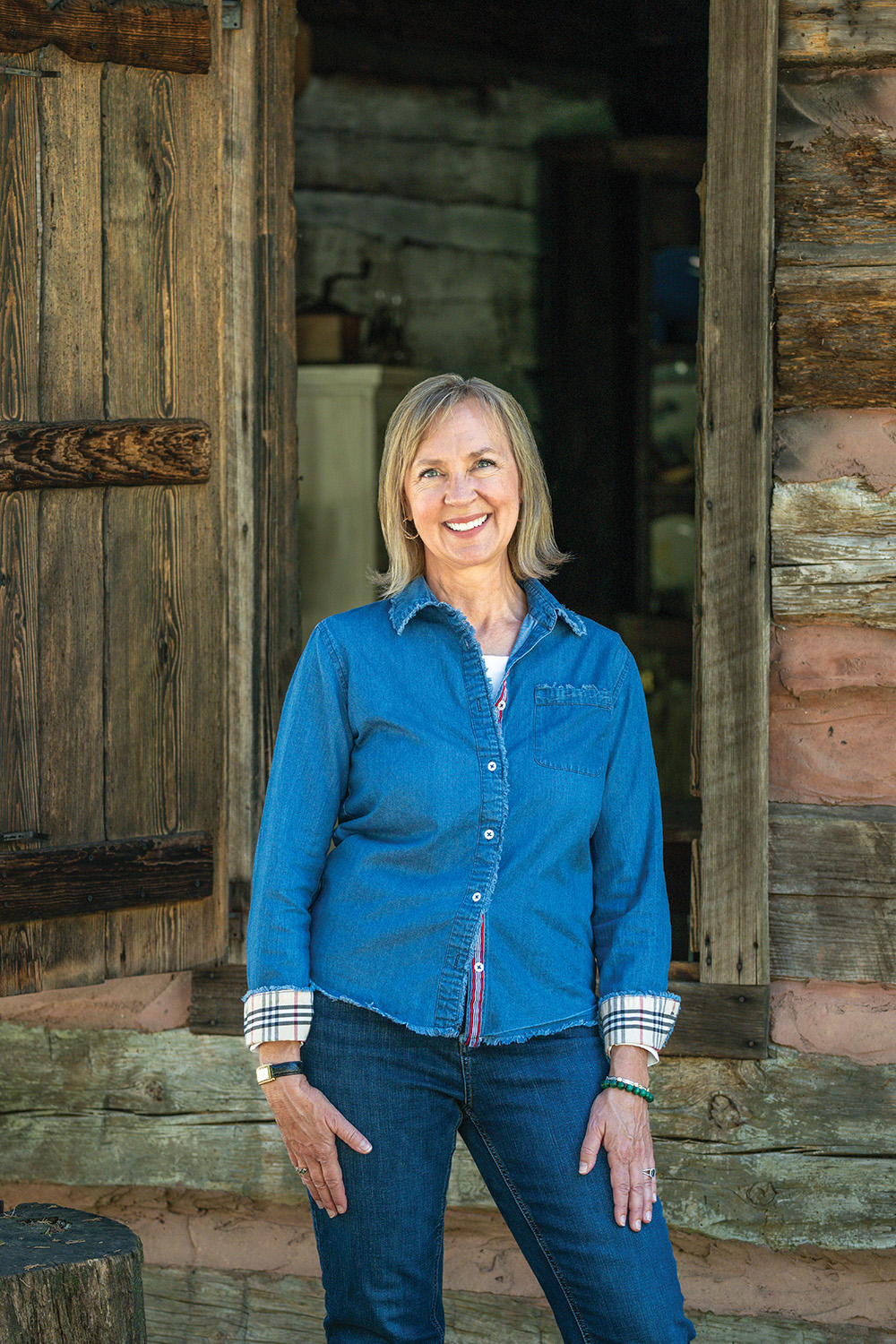
The sun was already blazing as I drove down the gravel path to Hobbyknob Farmstead just outside Weaverville, North Carolina. The air carried the familiar sounds of livestock and poultry. I turned down the folk music on the radio as the owner stepped outside to greet me.
The landscape—rolling hills, wooded acreage, and a patchwork of green pastures— felt familiar. I had seen variations of it across the mountain regions of North and South Carolina while researching the cottage textile industry and the fiber farms that sustain it.
My path to this work, however, did not begin on a farm. It began in the classroom.
For nearly three decades, I taught fashion merchandising in higher education. We studied branding, retail strategy, consumer behavior, and global production systems, and my bright and ambitious students imagined careers in design, merchandising, marketing, and entrepreneurship. I spent years helping students understand the functioning of this behemoth of an industry.
A student presentation on fast fashion, however, changed the direction of my studies.
It prompted me to look more closely at the systems behind the clothing we wear and the consequences associated with them. Over time, my interests deepened into broader research on manufacturing, labor, sustainability, consumer culture, and the growing distance between people and the products they use every day.
Today, the apparel industry is built largely on speed, volume, and disposability. Clothing is produced faster, worn less, and discarded more quickly than at any other point in modern history. Current estimates suggest the fashion industry produces roughly 100 billion garments annually worldwide. Synthetic fibers derived from petroleum now dominate production, contributing to pollution and microplastic contamination in waterways and oceans. Massive water usage, chemical dye runoff, textile waste, and exploitative labor practices have become embedded within many global supply chains. These systems are often opaque, lacking meaningful oversight, accountability, and labor protections.
Understanding those realities led me to ask a different question: Why do we continue to consume at such extraordinary volumes? Answers vary in both breadth and depth. To place this in real perspective, current apparel industry estimates suggest Americans purchase roughly fifty-three to sixty-eight garments per person annually, equating to well over one hundred clothing items per household each year and less than 1 percent of clothing is recycled into new clothing.
That realization led me to ask different questions: less about trends and more about origin, less about scale and more about alternative systems, less about disposability and more about meaning.
Living in the Carolinas has given those questions historical context and fueled my desire to find answers through local fiber farmers, weavers, dyers, and cooperatives.
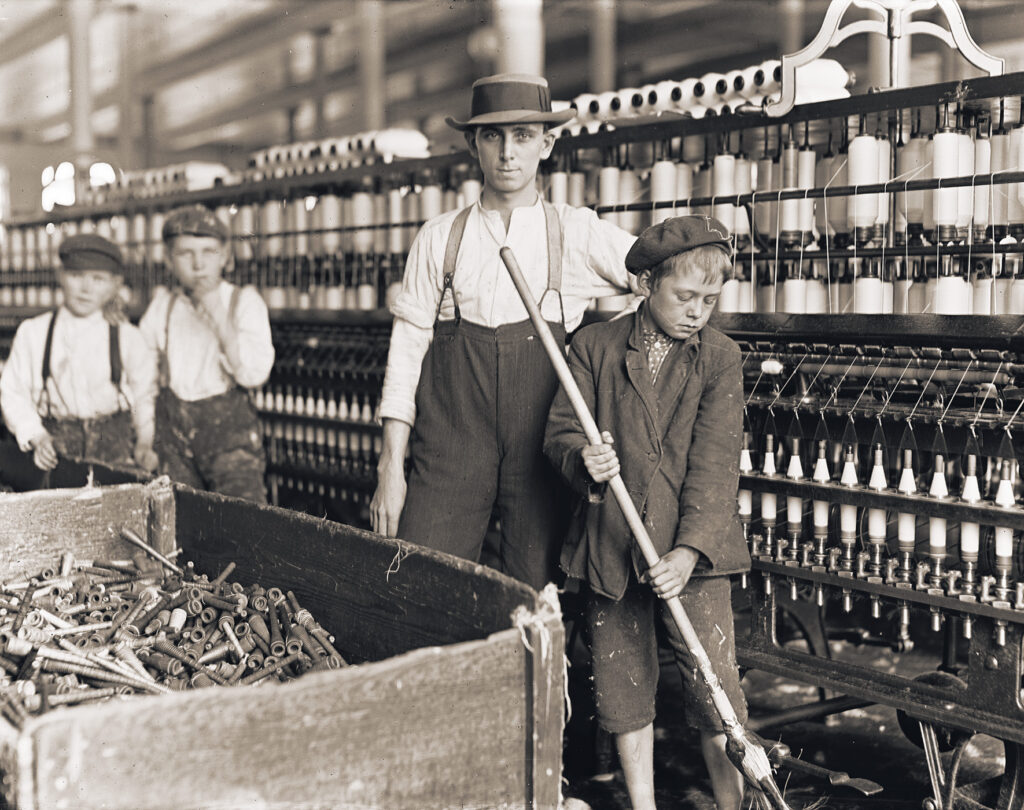
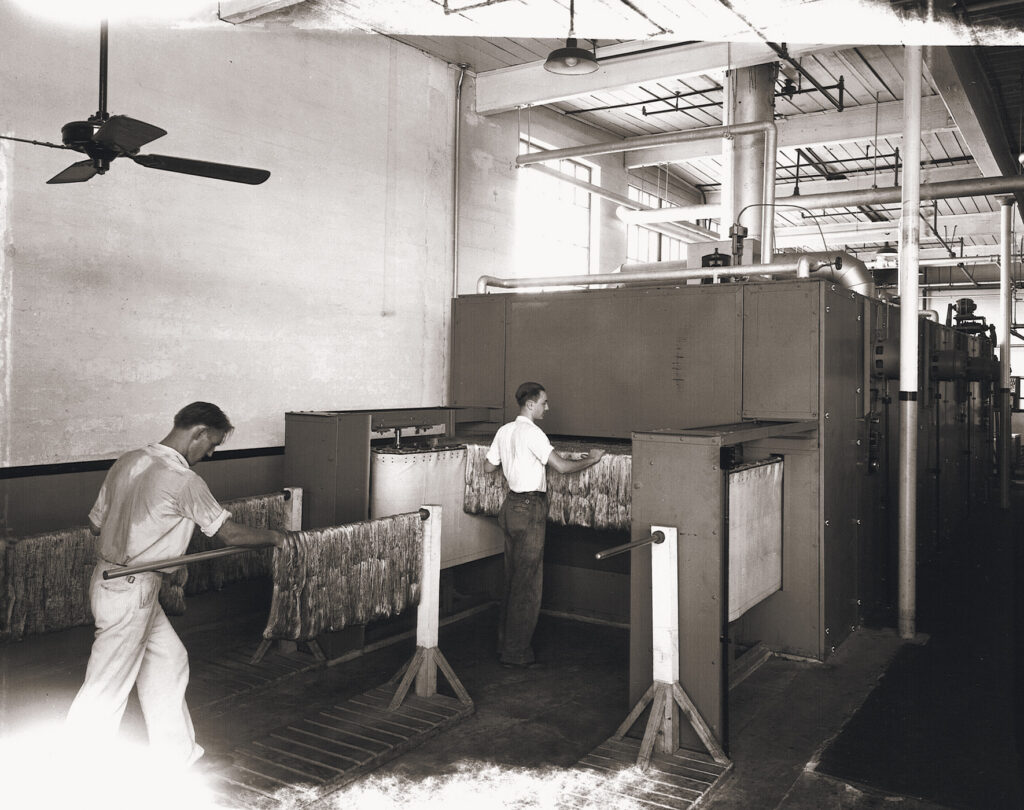
For generations, textiles shaped the identity and economy of this region. Cotton mills, hosiery plants, and textile factories once formed the backbone of communities throughout North and South Carolina. Entire towns were built around mill villages, where generations of families worked within the same factories. Freight trains, spinning rooms, dye houses, and weaving floors defined daily life across much of the Piedmont and Mountain regions.
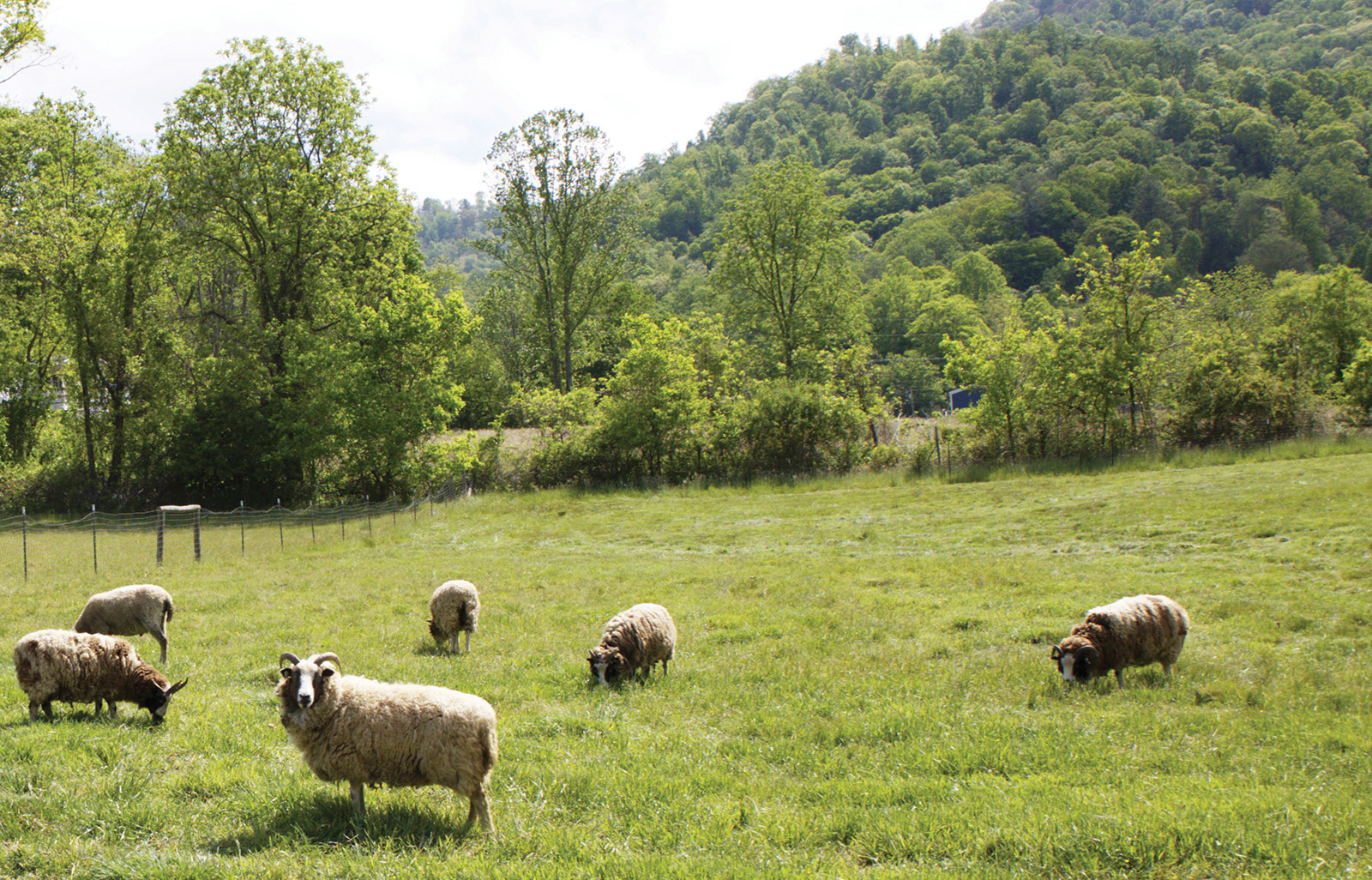
Alongside industrial manufacturing, there existed a quieter tradition of home-based textile work rooted deeply in Appalachian and Southern culture. Families raised sheep, spun wool, quilted blankets, wove household linens, dyed fabrics, and mended clothing out of both necessity and resourcefulness. These textile skills were practical forms of knowledge passed from generation to generation and woven into the rhythms of domestic and community life.
When large-scale textile manufacturing declined sharply during the late 1990s and early 2000s, many communities lost not only jobs, but a sense of continuity and cultural identity. Yet textiles never fully disappeared from the Carolinas. Instead, they evolved.
Across the region today, I have met farmers raising sheep and alpaca with remarkable care and intentionality. I have visited natural dyers creating color from indigo, walnut, marigold, and madder root. I have spoken with weavers and knitters reviving techniques once nearly lost to time while adapting them for contemporary use.
What surprised me most is that many of the people leading this movement are former educators, corporate professionals, designers, and entrepreneurs who left entirely different careers in search of work that felt more tangible, ethical, and connected to place.
The work is slow. It is physically taxing and costly in many cases. It often exists outside the logic of mass production and convenience. But that is precisely why it matters.
In a culture increasingly defined by speed and disposability, these farmers and makers are offering an alternative vision—one rooted in mindfulness, stewardship, skilled labor, authenticity, and regional connection. They are not simply recreating the past. They are reconsidering what the future could look like.
And perhaps that is what textiles still offer the Carolinas: not merely an industry, but a way of understanding our relationship to labor, land, community.
This story was featured in Cliffs Living magazine. To see more stories like this one and learn more about The Cliffs, subscribe here.